

As technology continues to evolve at an unprecedented pace, data and AI are becoming essential drivers of business success. At Betsson Group, these technologies are helping teams unlock new levels of efficiency, innovation, and insight.
In this interview, Cleber de Lima, Director of Data and AI at Betsson Group, discusses how data is shaping decision-making across the organisation, the opportunities AI is creating, and what it takes to build a truly data-driven culture.
Tell us about yourself
My name is Cleber, I am Brazilian and I moved to Malta two years ago to take on the role of Director of Data and AI at Betsson Group. In this position, I oversee the Group’s strategy and execution for data democratisation, ensuring that all employees have access to the information they need to make informed decisions. I also focus on enabling the responsible use of AI to improve productivity and add an extra layer of analysis and intelligence across the organisation.

What attracted you to Betsson in the first place?
I hadn’t worked in iGaming before, so I did not know much about the industry. However, I saw that Betsson was a solid company with a strong track record. When I joined, it was the sixth or seventh consecutive quarter of record results, and the project that was presented to me was also very interesting.
Being able to impact the business through data and AI, and work with cutting edge technologies in both areas was very compelling, but at the end of the day the culture and leadership were key factors for the final decision.
How would your colleagues describe you at work?
I think they would say I am demanding in a positive sense. I’m always looking for opportunities to improve, and ways to increase efficiency and productivity. I’m also very technical, with deep expertise in both Data and AI, so sometimes they need to stop me from coding or designing solutions myself.
In general, I’m an advocate for a healthy, fun and balanced work environment, embracing diversity, different opinions, and ideas, as we can always learn from different perspectives.
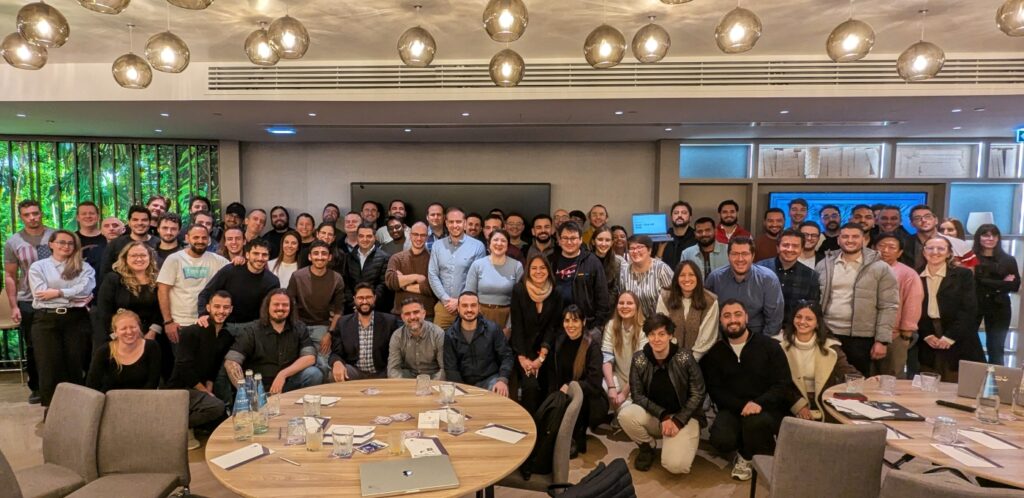
Data plays an increasingly important role across the business. From your perspective, how is it shaping the way Betsson operates today?
Betsson has been operating as a data-driven organisation since before I joined. I found an environment with a broad range of reports and dashboards already available to the business, enabling strong decision-making.
One important aspect we have changed over the last two years was the timeliness of the data. We now have real-time data and insights for critical operations and dashboards refreshed every couple of hours. This allows the business to action and validate outcomes within hours, adjusting quickly to maximise returns.
What we are working on now is delivering self-service data through AI agents, allowing employees to ask specific questions and receive answers within minutes, without having to open a dashboard or export data into Excel.
To make this possible, we have invested heavily in Data Governance, Data Quality and Tooling. This ensures the data presented is accurate, access is properly controlled, and that there is a single source of truth across the organisation.
When it comes to building a strong data culture, what do you think organisations need to get right?
Everyone wants to have data, but in order to have data impacting the organisation, a few key foundations need to be in place:
1. Data Accuracy and Correctness
2. Data Quality
3. Data Freshness
4. Data Availability
If people don’t trust the data, they won’t use it and if the data is not fresh enough or not available when people need it, they will also not use it. In such conditions, regardless of the level of training, it becomes difficult to establish a strong and sustainable data-driven culture across the organisation.
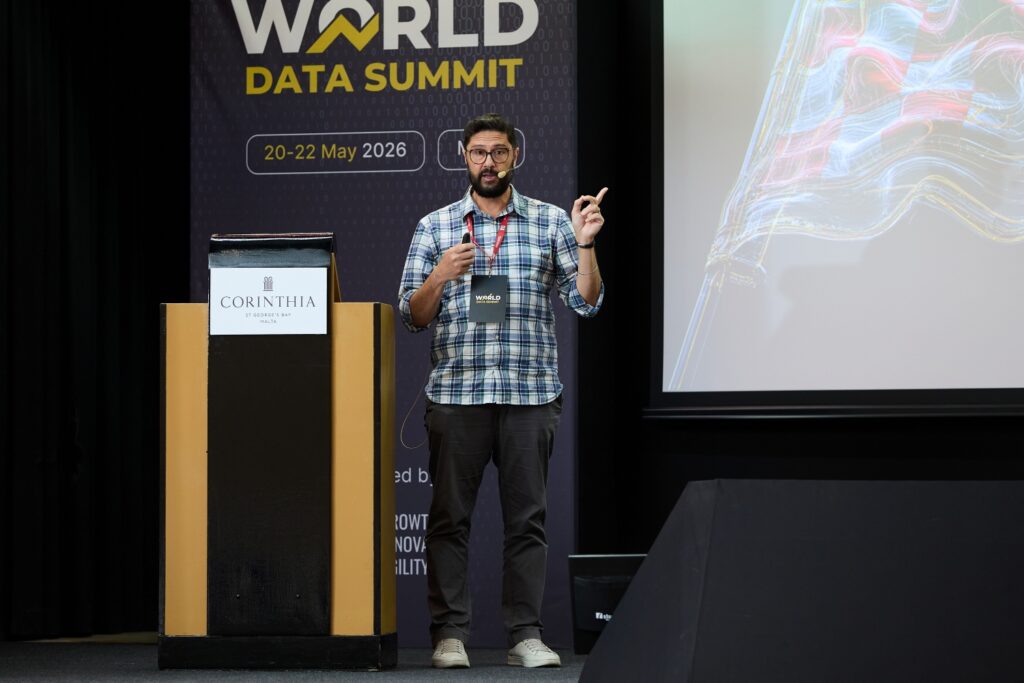
A big part of your work focuses on AI and optimisation. Where do you see the greatest opportunities for AI to improve the way we work?
AI has the potential to significantly reshape how work is done across industries and function. At Betsson, we started an AI Adoption programme last year, where we provided training to over 2,000 employees on how to use AI properly, responsibly and ethically within their own respective roles, thereby reducing risks and liabilities.
One area we focused on a lot is Product Development, where we have three mainstream solutions to address Product Discovery, Software Development and content and design for our products. The initial outcomes have been very promising, and we continue to scale these initiatives into 2026. This has enabled us to find different dynamics and ways of working that are only possible via AI. Besides Product Development, we have also empowered Betssonites in different areas such as, HR, Operations, CRM, SEO and Legal to optimise their processes by creating their own agents that automate parts of their work, enabling more time for them to focus on how to maximise our business outcomes.
What role does curiosity and experimentation play when working with data and AI?
We’re entering a new era, and most of the solid paradigms we have lived with for the last decades are being challenged by AI. Curiosity, experimentation and the capacity to learn and unlearn at the same pace are crucial for all areas, including Data and AI and the ones who exercise this responsibly will be better positioned to lead the future.
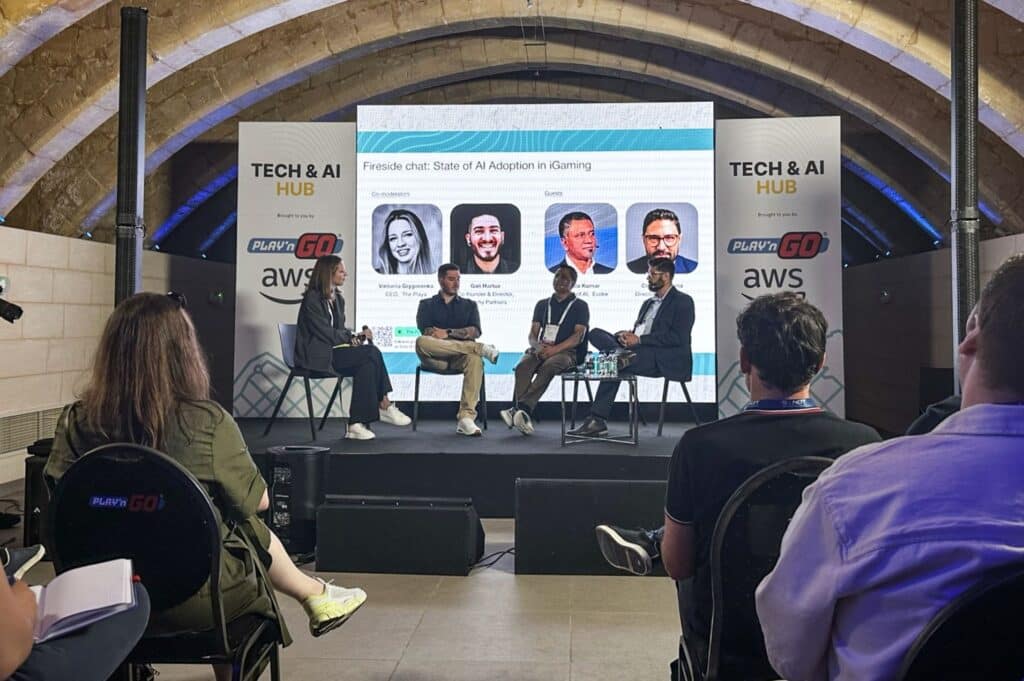
What does OneBetsson mean to you, and how do you see it reflected when teams collaborate around data and technology?
To me, OneBetsson means that we should collaborate, be approachable and support each other, while always protecting and advancing the best interest of Betsson and our business outcomes. My areas usually depend heavily on others, so it is very important that we build a collaborative spirit around a shared goal: making Betsson better.
What advice would you give someone interested in building a career in data, AI, or technology at Betsson?
There has never been a better moment to do it, these are high demand areas, and this will not diminish at least in the next 5-10 years. AI is here to stay and data is its foundation.
Start with the basics, learn the concepts, and don’t fall into the trap of vibe coding your way without understanding the fundamentals. This is still the big differentiator for great engineers. And of course, never stop evolving, keep learning and experimenting.